
In Conversation
Building a modern lifestyle brand
Parachute’s Ariel Kaye on competing with cheap internet knockoffs, how it does collabs, and one trick learned from retail stores.
 By Dan Frommer on Friday, June 21, 2024 at 8:00 am
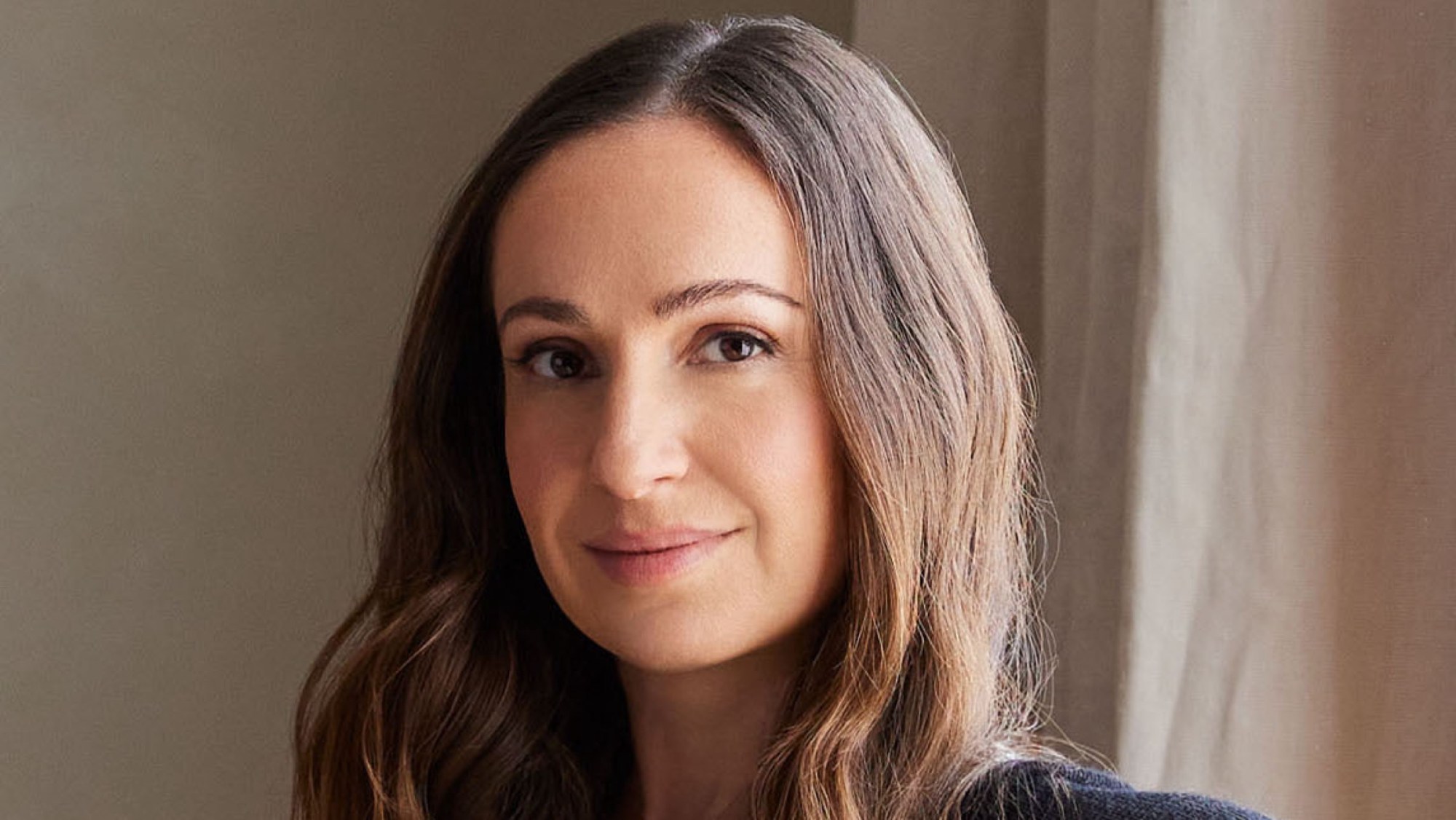
The paradoxical beauty of the e-commerce era: While it has given consumers infinite choice — turning almost everything into a commodity, at nearly any price — it has also given us some excellent new brands with strong points of view.
Parachute, the Los Angeles-based bedding and home brand that Ariel Kaye launched in 2014, is one of those. It leads with comfort and premium quality, but also an opinionated “perfectly undone” aesthetic — mostly muted solids — that’s definitely not for everyone. But it’s worked for Parachute, which now has 26 stores as it enters its second decade in business.
Like many brands in the category, Parachute had a huge boost from the pandemic, when consumers focused on upgrading their homes: Sales were around $150 million in 2021. But also like many brands in the home category, 2021 marked the peak, at least for now. Kaye says Parachute has instead focused on financial health; the company expects to be profitable this year.
Kaye and I recently spoke at Parachute’s headquarters — about competing with cheap internet knockoffs, building a modern lifestyle and home brand, how Parachute does collabs (it just launched one with Le Fleur, Tyler, the Creator‘s clothing and lifestyle brand), how consumers really prioritize sustainability, one trick Parachute has learned from its retail stores, the company’s unsuccessful (for now) experiment with living room furniture, and more.
What follows is an edited transcript of our conversation. Members can listen to this as a podcast by adding The New Consumer Audio Edition feed to their player of choice, including Apple Podcasts and Spotify.
In this interview:
- How Parachute competes with cheap internet knockoffs and “same factory” brands
- The role retail stores play in the business — and one trick learned from retail
- Why sustainability consistently ranks third or fourth in consumer research, not first
- Kaye’s strategy for brand collaborations and what makes them worth the effort
- What a failed furniture experiment taught Parachute about complexity and margin
- How the company thinks about building a multi-generational lifestyle brand
- Why Kaye hired a CEO after ten years as a solo founder
Dan Frommer: You started with bedding and you have a lot of different stuff now. How did you think about what to add next? What is the process for adding new categories and products? And how do you think about them as they contribute to the business and also to the brand?
Ariel Kaye: I always knew that we wanted to be a multi-category brand. We started with bedding — sheets and duvet covers and pillowcases. It was a very small, tight assortment. We wanted to make sure that we built trust in the early days.
The New Consumer Executive Briefing is exclusive to members — join now to unlock this 5,900-word post and the entire archive. Subscribers should sign in here to continue reading.
Hi, I’m Dan Frommer and this is The New Consumer, a publication about how and why people spend their time and money.
I’m a longtime tech and business journalist, and I’m excited to focus my attention on how technology continues to profoundly change how things are created, experienced, bought, and sold. The New Consumer is supported by your membership — join now to receive my reporting, analysis, and commentary directly in your inbox, via my member-exclusive newsletter. Thanks in advance.