
Go To Market
What to do with a weird batch
How my favorite sake brewery turned an unexpected fermentation into a special limited-edition cuvée. Also: My new report on the state of snacks.
 By Dan Frommer on Friday, November 27, 2026 at 8:00 am
Hello hello! It’s Dan Frommer, back with The New Consumer, live from Paris. Happy Black Friday to those who celebrate. (And, it turns out, Black Friday in French is just Black Friday.)
One new thing: I’m excited to launch The State of Snacking, a new report I produced in partnership with Day One Agency.
Snacks are a huge part of our lives and our culture. And they’re a huge business going through big changes: People want to eat healthier snacks, but still also get pleasure from snacking.
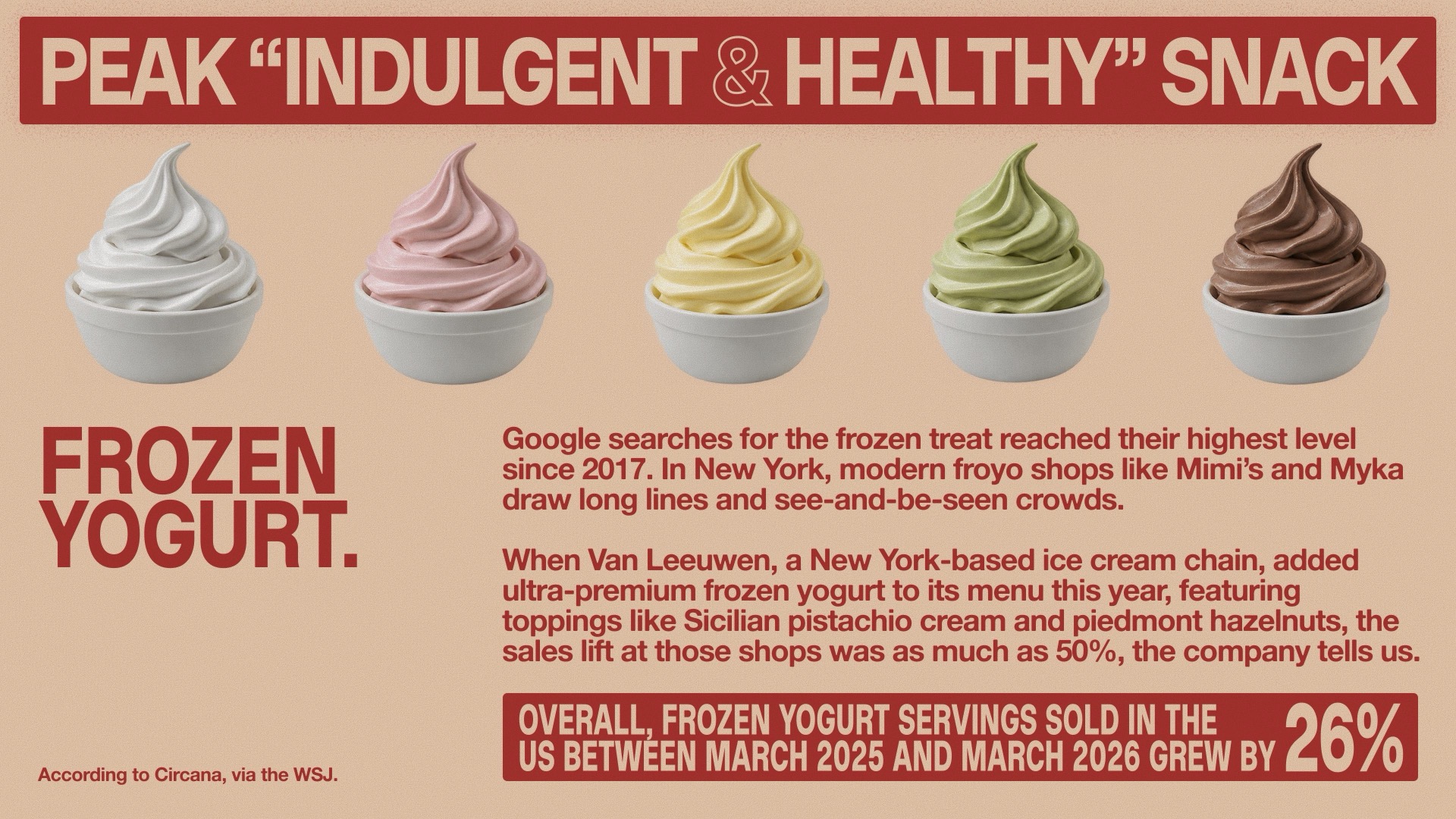
Or, the other way around — they want indulgence, but also some plausible deniability. That’s why chocolate-drizzled rice cakes, fancy meat sticks, and frozen Greek yogurt are suddenly everywhere.
One newsy nugget: When Van Leeuwen, the New York-based ice cream chain, added ultra-premium frozen yogurt to its menu this year at a few of its stores — featuring toppings like Sicilian pistachio cream and piedmont hazelnuts — the sales lift as those shops was as much as 50%, the company told me.
There’s much more in the report, which you can view here. Thanks to Day One Agency for collaborating on this project! We welcome your feedback.
Presented by Shopify
The next holiday bestseller could be something shoppers don’t yet know how to search for. A gift for an obscure hobby. Clothing for sensitive skin. A product that solves a problem they’ve struggled to put into accurate search terms.
AI gives shoppers a new way to describe what they need — and brands another opportunity to be discovered. Shopify’s 2026 Global Holiday Retail Report found 65% of shoppers are likely to use AI for at least one shopping task.
Purchases through AI search are growing, too. In Q3, orders originating from AI-powered searches across Shopify grew 3.3x year over year. And that’s a pretty compelling opportunity for commerce teams.
Shopify is connecting its network of merchants to these emerging shopping experiences, helping shoppers discover relevant products and buy with Shop Pay through the AI tools they’re already using – Muse, Instinct, Claude Duet, and more. The Shop skill brings that functionality into any personal agent.
AI shopping volume is still small, but the question for brands is increasingly practical: when someone describes the problem your product solves, will they be able to find you?
Explore how brands are approaching AI-driven holiday shopping.
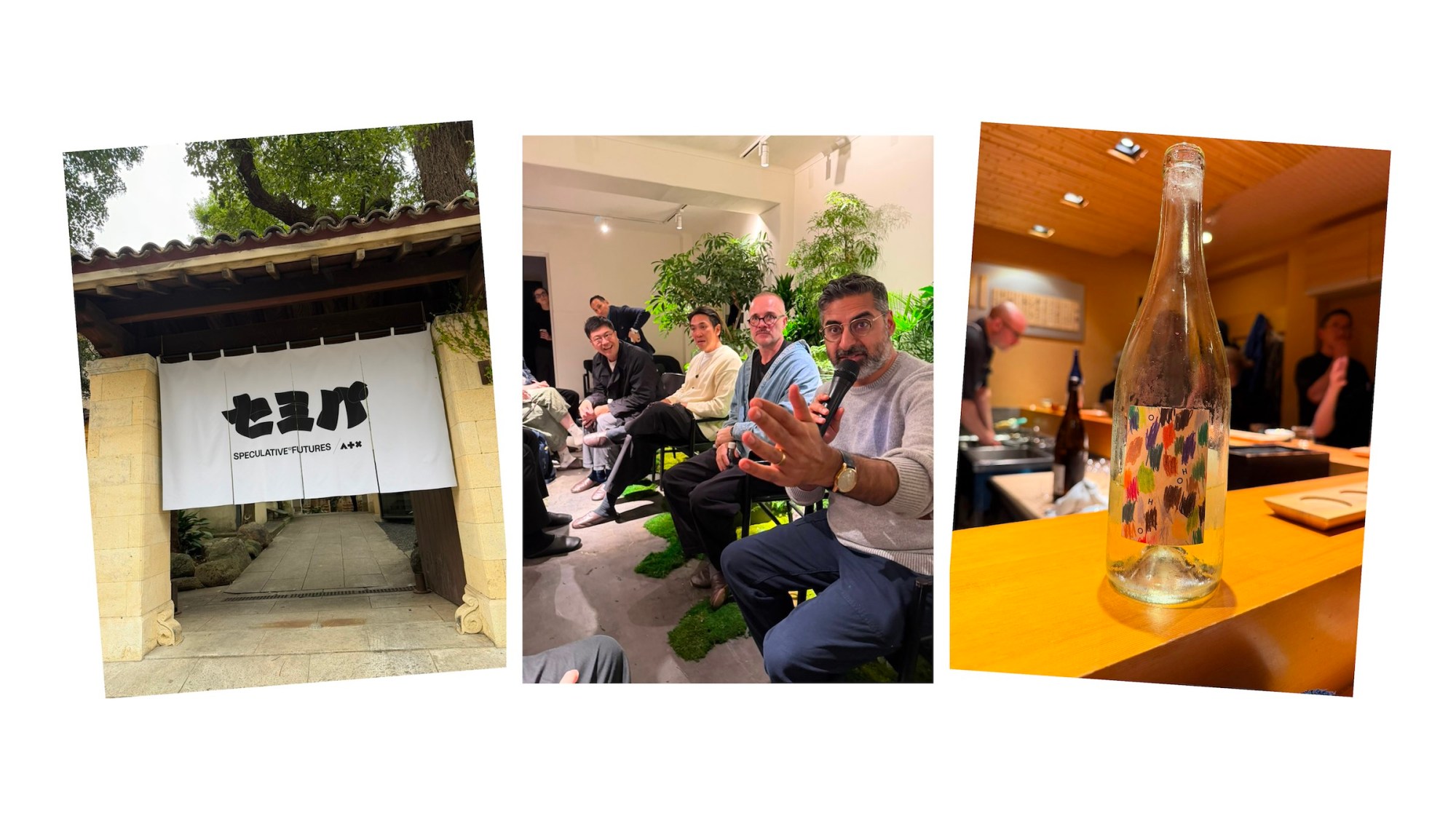
I spent most of the past couple of weeks in Japan. My annual end-of-year visit overlapped this year with a new conference series loosely called Tokyo Salone, led by longtime tech and design exec Ana Arriola-Kanada, who worked on the original iPhone at Apple.
It was three days of conversations — some heady, some hilarious — around the collision of tech, food, AI, humanity, and the future. Some very Dan Frommer / The New Consumer stuff, from designing $5,000 coffee grinders to the future of artificial life.
One of my favorite stories — about taking something accidental and making it something new, on purpose — came at a sake tasting that a bunch of us attended two Sundays ago, led by Nick Coldicott, an exporter who specializes in small-batch, artisanal, hands-on breweries.
As the story goes, Terada Honke — a 350-year-old brewery that uses traditional methods and wild yeasts to make its complex, electric sakes “the hard way” — had a weird batch.
Normally, “the yeast would start fermenting vigorously after 20 days,” according to an article on Terada Honke’s site (translation by Google). “This time, we waited and waited, and still it didn’t show up.”
“We were worried, wondering what was going on and if everything was all right, but all we could do was believe and wait. And so, after 40 days, the yeast finally began to ferment.”
The result was — well, not what it was supposed to be. But it was something!
Nick popped a bottle for us and, simply, I’ve never had anything like it. “Something like pear juice blended with a bright riesling,” as he puts it. “Lower alcohol than most sakes, and much, much brighter acidity.” It’s alive!
So with this strange but special creation, Terada Honke zagged, too — and there are a lot of little brand operator lessons in how they did it.
They took the weird batch and called it the start of something new: A new natural sake series called “Ohoho,” framed around the idea of capturing its brewers’ “experimental approach to trying out interesting things, and the unexpected fermentation processes that occur at the whim of microorganisms.”
They put Ohoho in a clear wine bottle with a cork, instead of a traditional sake bottle — both to make it stand out as something new and different, and, I’d guess, also not to look too much like their regular sakes, to avoid confusing anyone.
They sourced a new label that makes it look more like an artsy natural wine bottle than any sake I’ve seen before.
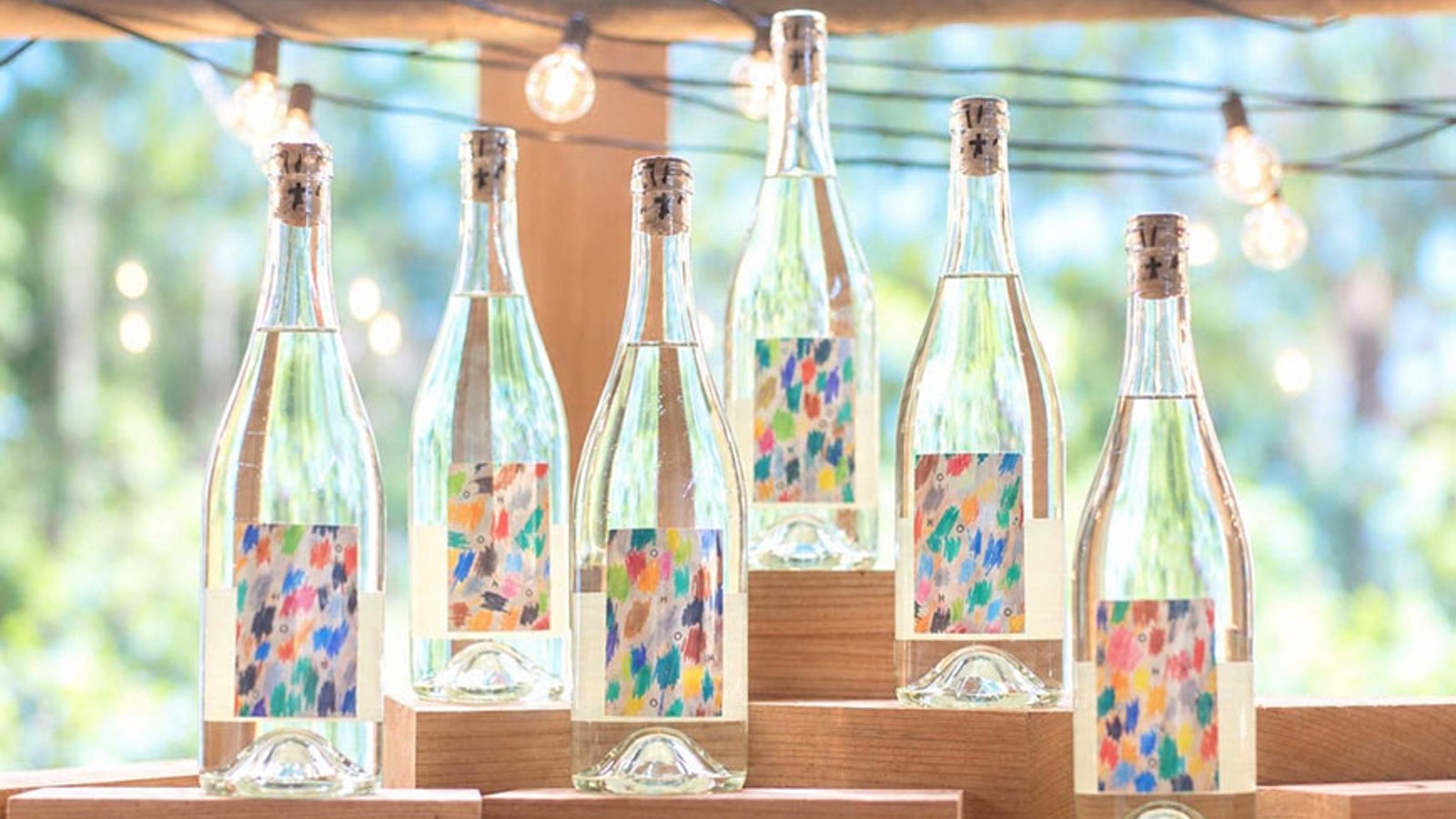
They put it up for sale on their website — there are 185 bottles left as of this writing, for about $21 each — which is a great reason to maintain channels you control, where you can just put one-off stuff.
Going forward, Terada Honke writes, “this series will produce a variety of unique, once-in-a-lifetime sakes.”
I love it.
(I’m also a big fan of Terada Honke’s “normal” sake — its Daigo no Shizuku completely changed how I think about sake, and is more readily available in the US and Europe. Last year, I visited the brewery and got to taste a batch in progress!)
There’s a rich history, of course, of accidental inventions. But I love this idea of taking something unintentional and making it something else, with new intention.
This won’t always work, of course — if there’s a food safety problem, obviously you can’t ship it. But otherwise: Embrace the weird batches!
Also on my radar:
Why Dishoom, London’s beloved Indian restaurant chain, got rid of the handles on its delivery bags: We want the delivery guy to hand it to you like a gift. (Much more here on Dishoom’s approach to hospitality and world-building.)
Aesop remains one of the most self-aware brands on earth. The latest: The Aesop Valise, a $600 “festive assortment of Aesop formulations.”
Quince is selling more third-party brands on its site, including Fellow coffee gear, Supergoop beauty products, and Cadence travel containers. Cadence founder Steph Hon told Modern Retail that Quince is buying wholesale inventory, not revenue-sharing drop-ships. “We launched not too long ago and have already seen very fast growth,” Hon said.
An “ultra deep dive” by Drew Fallon into “one of the most fascinating corporate carve outs of all time: Nerds. The brand went from $40m in annual sales in 2018, to closing in on nearly $1b by 2026, showcasing the power that just one home run innovation can yield.” One word: Texture.
Starbucks is thinking a lot more about personalization and its digital experience. There’s probably a limit to how much of this stuff actually matters, but it’s encouraging that it believes it has the tech capabilities to build these things.
Hi, I’m Dan Frommer and this is The New Consumer, where consumer operators, founders, and investors get the real read on what’s happening — original reporting, proprietary data, and sharp analysis you can take into your next meeting.
You’ll get my newsletter, read by leaders at Sweetgreen, David Protein, Forerunner, and L Catterton. Plus Consumer Trends, our research series cited by the Wall Street Journal, Axios, and WWD.
Not ready to join? Start with a free account.