
Executive Briefing
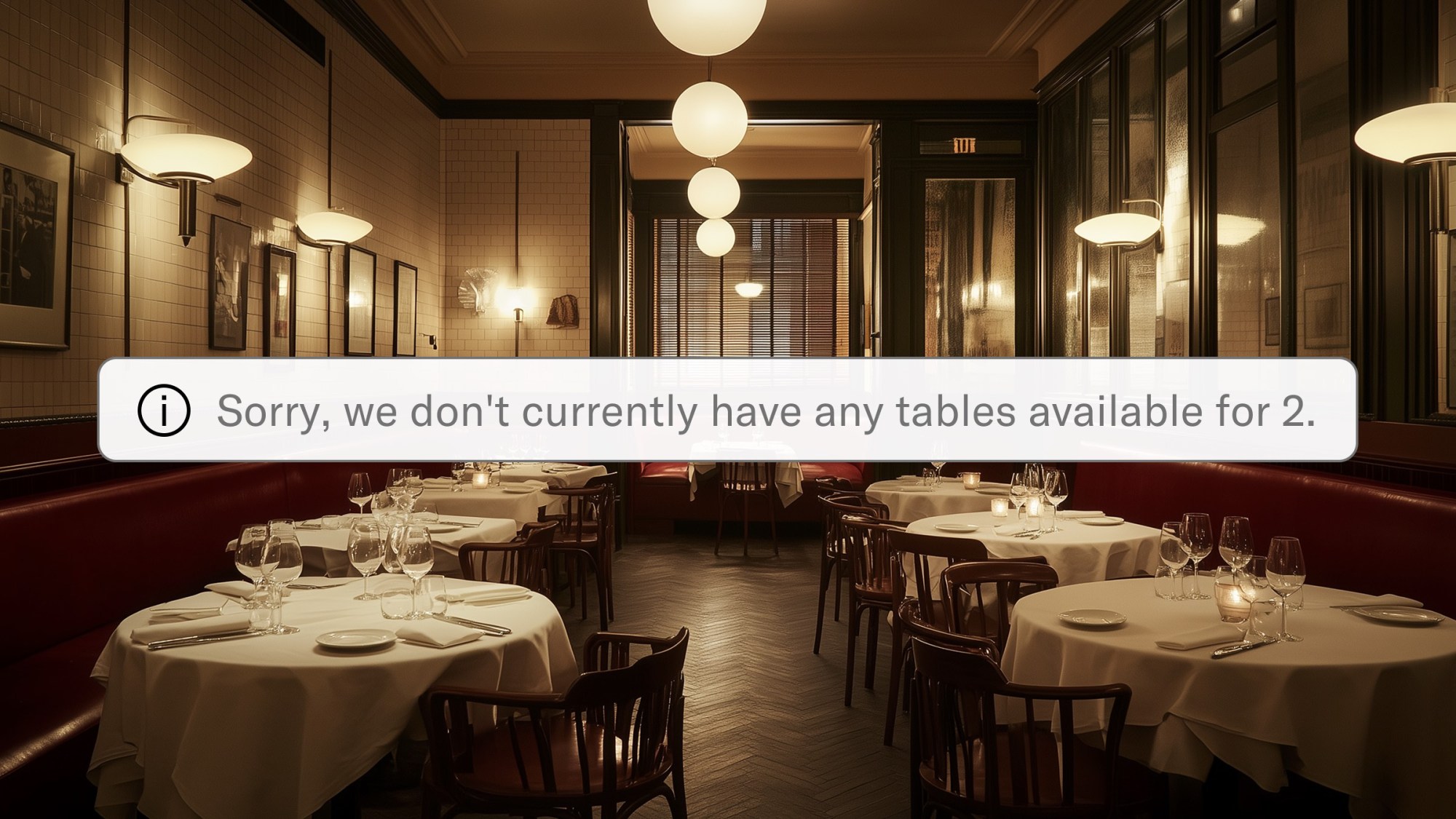
Resy’s million-dollar tables
And the real value of reservation platforms. Also: Did the restaurant industry learn anything from Covid? And, What’s Working w/ talent and influencers.
 By Dan Frommer on Saturday, March 1, 2025 at 8:00 am
Hello hello! It’s Dan Frommer, back with The New Consumer. What’s on your mind?
One quick thing: Last week, as an experiment, I launched a version of The New Consumer on Substack. If you prefer using Substack as your reading interface, you’re welcome to subscribe there.
I plan to publish the same things in both places, at the same time, so there’s no need to sign up for both if you’re happy here. I will, however, be testing some of the community features on Substack, including Comments, Notes, and Chat, which I don’t plan to replicate here. (I’m also thinking about setting up a Discord or Slack server as a sort-of operators community for members; let me know if that sounds appealing.)
Why bother?
You can read more of my thinking over on the Substack site, but, in short: Substack has evolved to become as much of a social network as a publishing tool; it’s already a top referrer to my website and newsletter; many of my target readers are already there; it has built a bunch of features into its platform that I wouldn’t necessarily want on my site, but am excited to try using there; and I’m no longer as precious about a lot of this stuff as I used to be.
Just as I publish a version of my work on Twitter, Instagram, and LinkedIn, I’ll now publish one on Substack, and see how it goes. I’ll also keep you updated on the experiment and what I learn.
Again, no work required on your part. Feel free to ignore; you’re also very welcome to engage there. Thanks again for your support!
This week: The Resy-OpenTable restaurant war$$$, and more. But first, What’s Working, in partnership with The Malin.

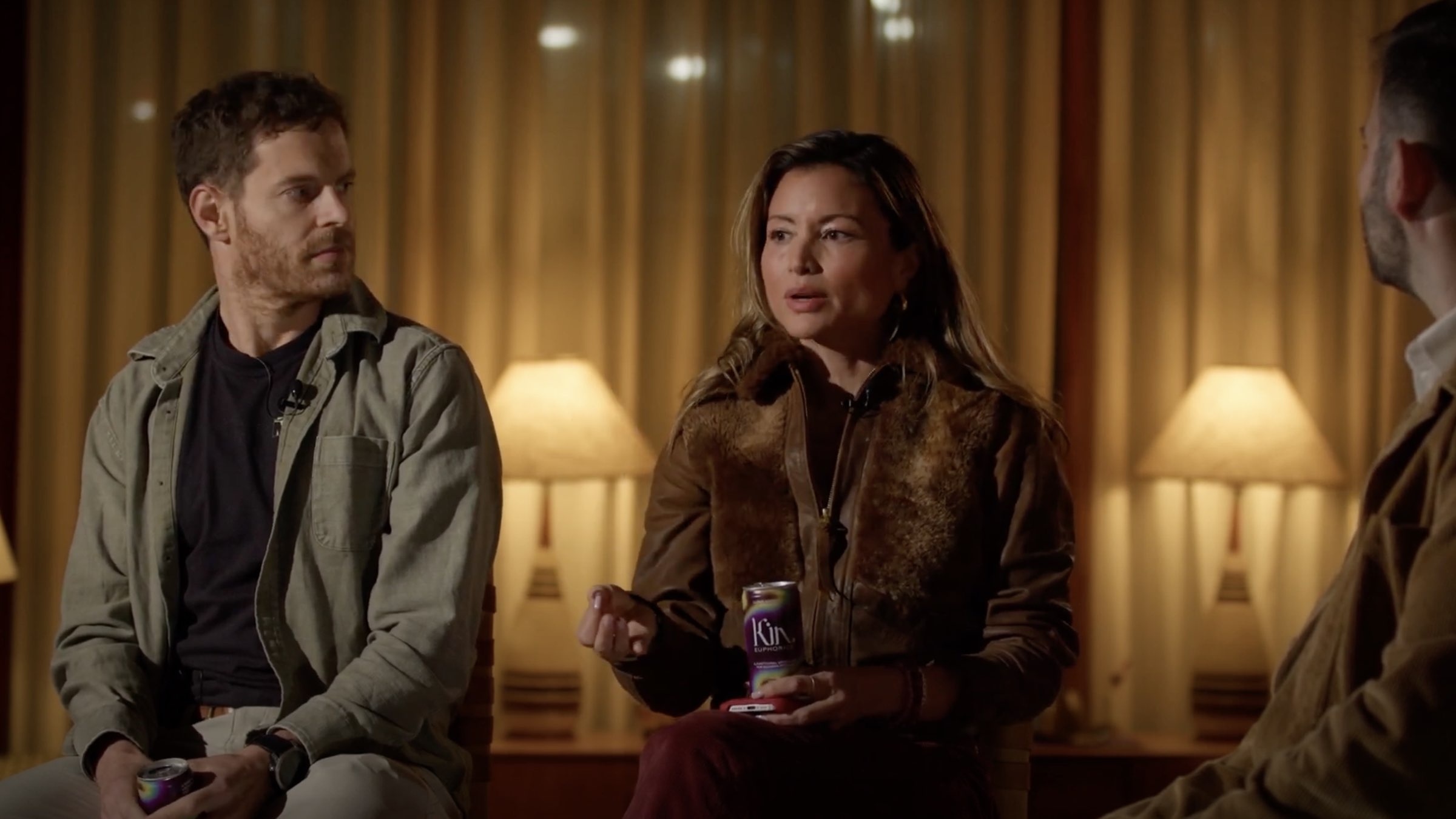
Working With Talent — When Kin Euphorics, the non-alcoholic beverage startup, added the model Bella Hadid — 61 million Instagram followers — as a co-founder, it turned a lot of young people onto the brand.
“Enter Bella, and she’s all of a sudden being incredibly vulnerable about her mental health state and her challenge with social anxiety,” Kin founder and CEO Jen Batchelor said onstage at our What’s Working event at The Malin in East Austin. “And that really resonated with a group of people that were 21 and didn’t really have an outlet to share their own story.”
These days, “as we as we enter a new era of communication and information sharing,” she said, “category experts are really what’s resonating. People who are looking at the ingredients, who have been playing and experimenting with these ingredients.”
“‘Don’t take it from me. I’m just the user. Take it from all the scientific advisors, neuropharmacologists, endocrinologists, chemists … that we’re actually working with.’ So that’s really what’s starting to work a lot.”
They don’t even need big followings — Kin will use its own to distribute. They just need to be legit.
“Authentic storytelling through and through,” Batchelor said. “I don’t want to be sold to by any means, but I do want to see real people with real degrees — especially in our category — speaking to the product and why they’re getting an edge. Because everybody wants an edge.”
Also in this era of hypertargeted social media, that means having a more diversified portfolio of influencers as part of your marketing strategy, Made In Cookware co-founder and CEO Chip Malt said at the event.
Made In has long featured the professional chefs that use its products in their kitchens, such as Tom Colicchio, one of its investors, who shows up when you load its homepage. But today, you need more.
“It’s actually really tough,” Malt explained, “because we’re trying to map out and grid out: ‘This is the person who the algo is going to deliver to 25-year-old females’,” versus, “‘This is a hardcore barbecuer. It’s 95% males from the southeast.’ Our brief has to be different, and this is going to fill that.”
“And the way we get reach, and the way we get impression scale, is by maxing out and filling out that grid. Whereas, historically, we’ve gotten way too over-indexed in ‘chefs work for us’. And, actually, chefs are all kind of talking to the same person.”
What’s Working is a partnership with The Malin, a hospitality-led workspace with locations in New York City, Nashville, and now Austin. Stay tuned for more highlights and takeaways from our event, or enjoy our whole conversation on YouTube.
The thing about being a disruptive brand is that you have to keep innovating, even after you’ve become successful. Otherwise, anyone — even the slow, lame incumbent you’ve dethroned — can zip back into relevance.
That’s the story right now with Resy, the restaurant booking app, which launched in 2014, grew to become the cooler, more tasteful competitor to OpenTable, was purchased by American Express in 2019, and seems to have stagnated.
At Grub Street last week, Elizabeth G. Dunn published the latest in the reservation wars (Apple News+ link), specifically how more of “the cool restaurants are on OpenTable now.”
That’s in part because Resy hasn’t kept up with software features that many restaurants want or need. It’s also in part because OpenTable — which is now in a dining partnership with Visa — is paying them to be there.
Last year, I started hearing about hot restaurants getting big overtures from OpenTable, including six-figure offers to switch over from Resy, which had become the default seating platform for fashionable new restaurants, especially in New York and Los Angeles.
And it’s happening: In Manhattan, Estela — “Obama’s spot” — and other restaurants in its group, including one of my favorites, Altro Paradiso — recently moved over to OpenTable from Resy. Bell’s, a beloved, Michelin-starred restaurant a few hours outside of LA, also just joined OpenTable, ditching Tock (which Amex just paid $400 million for).
The New Consumer Executive Briefing is exclusive to members — join now to unlock this 2,800-word post and the entire archive. Subscribers should sign in here to continue reading.
Hi, I’m Dan Frommer and this is The New Consumer, a publication about how and why people spend their time and money.
I’m a longtime tech and business journalist, and I’m excited to focus my attention on how technology continues to profoundly change how things are created, experienced, bought, and sold. The New Consumer is supported by your membership — join now to receive my reporting, analysis, and commentary directly in your inbox, via my member-exclusive newsletter. Thanks in advance.